Gentle Observations vol.22
Atsushi Okahashi
On the Other Side / 頼むということ
去年、自宅のリノベーションを行った。
設計をお願いしたのは、ロンドン時代の友人で、現在はメキシコに住んでいる建築家と、東京を拠点に活動する彼のパートナーだった。朝の過ごし方や家族がどこに集まるのか、子どもたちがどんなふうに成長していくのか。まだ起きていない未来の生活を想像し、それを言葉にしながら、少しずつ空間として描いていく。その時間は、とても楽しいものでもあった。
もちろん、すべて順調だったわけではない。設計上の行き違いや人手不足の影響もあり、冷蔵庫や洗濯機といった生活のインフラ設備が計画通りに設置できず、しばらくの間、毎晩コインランドリーに通う日々が続いたことは、苦労話として妻とよく思い出す。
引き渡しから数ヶ月経ち、いまぼくたちはこの家で快適に暮らしている。
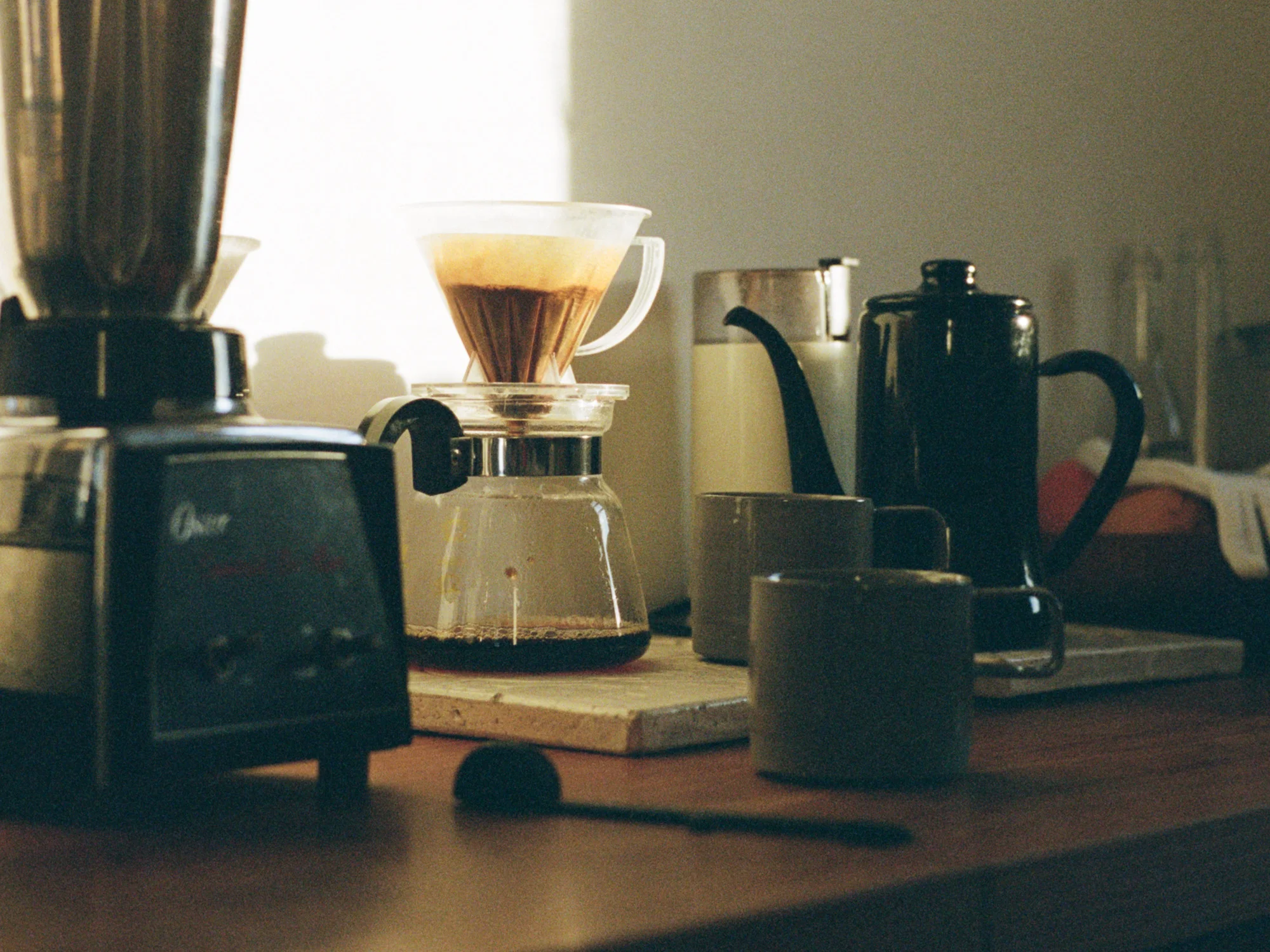
和紙職人のハタノワタルさんの和紙で壁と天井を覆ったリビングで過ごす時間は、家族にとって特別なものになっている。朝になると、障子を通して差し込んでくる光が、部屋全体をやわらかく包み込む。少しざらりともふわりともいえる質感の和紙は、光を受け止めながら、時間の流れを静かに部屋の中に留めてくれるように感じられる。リビングの真ん中に設置したキッチンカウンターで、朝一人コーヒーを淹れる時間は、いまでは自分の生活に欠かせないルーティンになっている。
ただ、この空間に辿り着くまでの過程は、思っていたよりもずっと多くのことを考えさせられるものだった。
普段の仕事では、ぼくは発注を受ける側にいることが多い。クライアントから依頼を受け、まだ形になっていないものを言葉や構造にしていく。その立場に慣れていたからこそ、自分が発注する側に立ったとき、その難しさを実感することになった。友人だからこそ遠慮してしまう場面もあったし、専門家なのだから任せるべきだろうと思い込んでいた部分もあった。いま振り返ってみると、どこまで任せ、どこまで自分が関わるのか。その距離の取り方を最後までうまく掴めていなかったのかもしれない。
そんなことを考えていた頃、『WORKSIGHT』のニュースレターで、若林恵さんが書いた「発注」という行為についての文章を読んだ。
その中でとくに印象に残ったのは、「発注者は基本的に素人である」という言葉だった。素人だからこそプロに頼る。しかし最終的な判断を下すのは、その素人である発注者自身だというある種の矛盾。
そして、社会学者のデヴィッド・グレーバーや政治理論家ジョアン・トロントの議論に触れながら、仕事とは単なる作業の積み重ねではなく、本来は「ケア」によって成り立っているものであるという視点が示されていた。その指摘は、自分自身の経験と重なる部分があった。
要望を伝え、図面を見返し、寸法を確認し、生活の動線を想像しながら小さな選択を積み重ねていくこと。それは単なる確認作業ではなく、これからの生活を支えるためのケアでもあったのだと、いまなら思う。発注とは、指示や管理ではなく、相手の専門性を信頼しながら、自分自身の生活を具体的に思い描き、それを何度も言葉にしていくことなのだと。
自分にそれが十分にできていたかと言われれば、正直なところ自信はない。それでも、その問いを持てたこと自体が、このリノベーションの経験がくれたものだったように思う。
いまも和紙に包まれたリビングで、朝のコーヒーを飲みながら、そんなことを考えている。
岡橋惇
スローメディア『Lobsterr』を運営するLobsterr Publising共同創業者。ニュースレターやPodcast、コマース、コミュニティなど多様なフォーマットを横断するメディアの形を模索している。
lobsterr.co
twitter.com/AOkahashi
Last year, we decided to renovate our home.
The designers we commissioned were an architect — a friend from my London years, now based in Mexico — and his local partner working out of Tokyo. Together, we talked through the rhythms of daily life: how we spend our mornings, where the family naturally gathers, how the children might grow and change. We tried to imagine a life that hadn't yet happened, and slowly, through conversation, that life began to take shape on paper. It was, in many ways, a genuinely enjoyable process.
There were moments, of course, when things didn't go to plan. Miscommunications in the design process and a shortage of skilled tradespeople meant that essential appliances — the refrigerator, the washing machine — couldn't be installed on schedule. For a stretch of time, my wife and I made nightly trips to the coin laundry. It's become one of those stories we still laugh about now.
Several months have passed since we moved in, and the house has become ours.
The living room is wrapped in washi, handmade Japanese paper crafted by the artisan Wataru Hatano, covering the walls and ceiling. In the mornings, light comes through the shoji screens and settles softly across the room. The paper has a texture that is difficult to describe: slightly rough yet somehow soft, it seems to absorb the light and hold time gently in place. I've taken to brewing coffee alone at the kitchen counter in the center of the room each morning. It has become, quietly, the part of the day I look forward to most.
Getting here, though, required more of me than I had expected.
In my professional life, I am usually the one being commissioned. Clients bring me something unformed, and my job is to give it shape in language, in structure, in ideas. I had grown so accustomed to that role that stepping to the other side of the table came as something of a shock. I hesitated to push back, not wanting to strain a friendship. I deferred, telling myself that the experts knew best. Looking back, I never quite found the right balance. How much to hand over, how much to hold on to. The distance between client and collaborator remained, for me, unresolved.
It was around this time that I came across a piece by Kei Wakabayashi, published in the WORKSIGHT newsletter, on the nature of commissioning.
Two ideas lodged themselves in my mind. The first: that commissioners are, by definition, amateurs. You hire a professional because you lack the knowledge and yet the final call is always yours to make. It is a role defined by a quiet, structural paradox. The second drew on the work of sociologist David Graeber and political theorist Joan Tronto: that work, at its core, is not the mere execution of tasks but an act of care. That framing stopped me.
Because that is what it had been like in the process of renovation. Articulating what we wanted. Returning to the drawings. Checking the dimensions. Imagining how we would move through the rooms. Each small decision was not administrative but it was an act of attention toward a life not yet lived. To commission, I've come to believe, is not to manage or instruct. It is to trust someone else's expertise while holding your own life carefully in mind, and to keep finding words for what you hope that life might be.
Whether I did that well enough, I honestly don't know. But learning to ask this kind of question, I think, is what this renovation gave me.
I'm still thinking about it, here in this washi-wrapped room, with my coffee.
Atsushi Okahashi
Co-founder of Lobsterr Publishing
lobsterr.co
twitter.com/AOkahashi